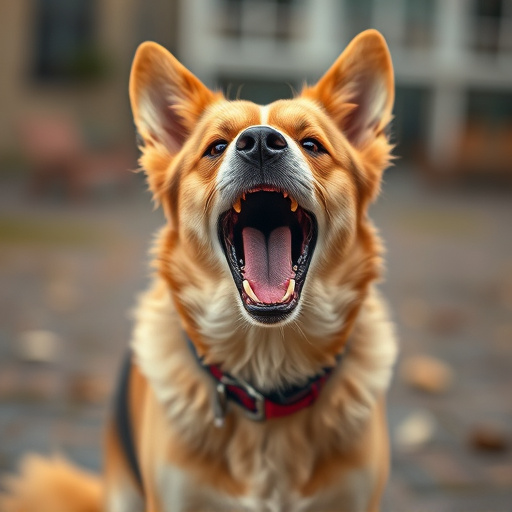
FDA-approved dog repellent devices utilize high-frequency sound waves to safely and humanely deter dogs from unwanted areas, offering a sustainable alternative to traditional animal control methods. These devices are effective, environmentally friendly, and meet stringent safety standards, making them ideal for residential areas where coexistence with local fauna is essential. When selecting a system, consider coverage area, sound quality, durability, and frequency adjustability for optimal results while ensuring human and pet safety.
“Discover the innovative world of animal control with sonic repellent systems, offering a non-lethal approach to managing wildlife. This article explores how these devices work their magic, especially in the context of FDA-approved dog repellents, known for their safety and effectiveness. We’ll guide you through the key features to consider when choosing a system, its real-world applications, and the environmental considerations that make these devices a game-changer in animal control, ensuring a harmonious coexistence.”
- Understanding Animal Control Sonic Repellents: How Do They Work?
- The Benefits of FDA-Approved Dog Repellent Devices
- Key Features to Consider When Choosing a Sonic Repellent System
- Application and Effectiveness in Real-World Scenarios
- Safety, Environmental Impact, and Maintenance of Sonic Repellents
Understanding Animal Control Sonic Repellents: How Do They Work?
Animal control sonic repellents have gained popularity as a non-lethal method to keep unwanted animals at bay. These devices use sound waves to create an unpleasant auditory experience for target animals, effectively deterring them from specific areas. The technology behind these repellents is based on emitting high-frequency sounds that are often above the human hearing range but can be detected by animals. When activated, the device emits a consistent and focused sonic pattern that disrupts the animal’s sense of balance, orientation, or communication, leading to discomfort and a natural desire to leave the area.
Unlike traditional repellents, FDA-approved dog repellent devices focus on safe and humane methods. These products are designed specifically to target dogs without causing them harm. The sound waves are carefully calibrated to ensure they do not affect humans or other non-target animals negatively. This approach offers a more sustainable solution for managing wildlife interactions, especially in residential areas where coexistence with local fauna is essential.
The Benefits of FDA-Approved Dog Repellent Devices
Using FDA-approved dog repellent devices offers numerous advantages for both pet owners and their communities. These devices are designed with safety and effectiveness in mind, ensuring they meet strict standards set by regulatory bodies. This means they’re not only reliable but also minimize potential risks to both animals and humans, which is a significant concern with many repellents available on the market.
Moreover, FDA approval signifies that these dog repellent systems have been rigorously tested for their active ingredients’ safety and performance. This testing ensures they are environmentally friendly, non-toxic, and human-safe while still being highly effective in deterring dogs from unwanted areas. Such devices represent a modern solution to age-old problems of animal control, offering pet owners and communities peace of mind and an efficient way to manage canine behavior.
Key Features to Consider When Choosing a Sonic Repellent System
When choosing a sonic repellent system, several key features should guide your decision. Firstly, ensure the device is FDA-Approved. This certification guarantees safety and effectiveness, especially when targeting dog repellents. Secondly, consider the coverage area – how much space the system can effectively protect. A larger coverage area is beneficial for broader applications.
Additionally, sound quality and frequency range matter. The best systems emit high-frequency sounds that are unpleasant to animals but inaudible to humans. Check for adjustable frequency settings to cater to different environments and animal types. Durability and weather resistance are also crucial, especially if the device will be used outdoors.
Application and Effectiveness in Real-World Scenarios
The application of sonic repellent systems, designed specifically for animals like dogs and cats, has gained traction as an alternative to traditional repellents. These devices emit high-frequency sound waves that are inaudible to humans but disrupt animals’ communication and navigation, encouraging them to steer clear of treated areas. Their effectiveness has been demonstrated in various real-world scenarios, such as keeping pets away from specific zones like gardens or trash cans, and even deterring wildlife like squirrels or raccoons from entering homes or public spaces.
One notable advantage is their FDA approval, a key factor for pet owners seeking safe and reliable solutions. This ensures that the devices meet strict safety standards, making them suitable for both indoor and outdoor use without causing harm to pets or people. Additionally, their non-toxic and environmentally friendly nature sets them apart from chemical repellents, appealing to consumers conscious of health and sustainability.
Safety, Environmental Impact, and Maintenance of Sonic Repellents
Sonic repellent systems, while offering effective animal control solutions, come with considerations regarding safety and environmental impact. These devices emit high-frequency sound waves designed to deter animals without causing harm. However, it’s crucial that users select FDA-approved dog repellent devices to ensure safety for both pets and humans, as not all sonic repellents meet these standards. Long-term exposure to certain frequencies could potentially lead to health issues, emphasizing the importance of choosing reputable products with rigorous testing.
Moreover, the environmental impact of these systems should be considered. Sonic repellents might disrupt local ecosystems by scaring away wildlife, particularly birds and small mammals. Regular maintenance is essential to mitigate these effects, ensuring devices are used in accordance with manufacturer guidelines. Proper disposal of obsolete devices also plays a role in minimizing their ecological footprint. By prioritizing safety, responsible use, and proper management, sonic repellent systems can offer effective animal control while preserving the balance of natural habitats.
Animal control sonic repellent systems offer a non-lethal, humane, and effective solution for managing unwanted animal presence. By leveraging the power of sound, these devices provide significant benefits, such as reduced noise pollution and minimal environmental impact. With various options available on the market, including FDA-approved dog repellent devices, it’s essential to consider key features like frequency range, coverage area, and weather resistance to ensure optimal performance. When used responsibly, sonic repellents can effectively deter animals without causing harm, making them a valuable tool for maintaining peaceful and safe outdoor spaces.