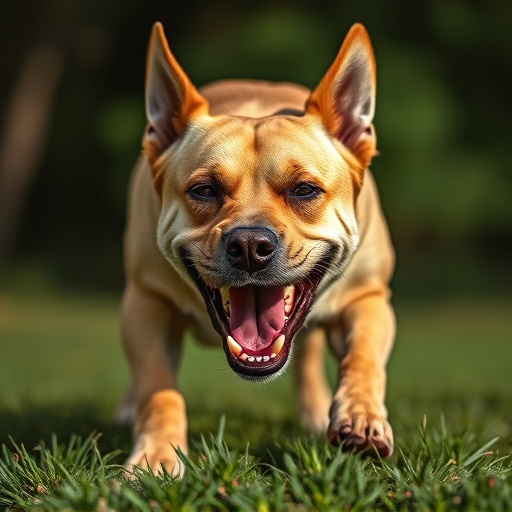
FDA-approved ultrasonic dog repellents use high-frequency sound waves (25-64 kHz) to modify canine behavior, targeting problematic actions like barking or marking. Rigorously tested by the FDA, these devices offer safe and effective solutions for pet owners. When choosing a repellent, consider adjustable settings, remote control/smartphone connectivity, automatic activation, water-resistance, and user-friendliness. Gradually and consistently train your dog using low intensity settings, rewarding desired behavior. These devices are environmentally friendly but may lose effectiveness over time; responsible use according to manufacturer instructions is crucial.
“Discover the revolutionary power of FDA Approved Dog Repellent Devices—a safe, effective, and modern solution for pet ownership. This comprehensive guide explores the inner workings of electronic pet deterrents, their key features, and how to harness their potential. From understanding safety standards to training tips, we delve into the benefits and limitations of these innovative devices. Learn how to choose the right settings, ensure optimal performance, and create a harmonious living space for both you and your furry companion.”
- Understanding Electronic Pet Deterrents: How They Work
- FDA Approval: Ensuring Safety and Efficacy for Dog Repellents
- Key Features and Settings to Consider in Dog Repellent Devices
- Training Your Dog with Electronic Deterrents: Tips and Best Practices
- Benefits and Limitations: Using Electronic Pet Deterrents Effectively
Understanding Electronic Pet Deterrents: How They Work
Electronic pet deterrents, also known as ultrasonic dog repellents or pet training aids, are innovative devices designed to modify pet behaviour through safe and effective methods. These FDA-approved dog repellent devices emit high-frequency sound waves that are unpleasant to dogs but virtually inaudible to humans. The technology is based on the principle of positive reinforcement, where pets learn to associate certain areas with the aversive sound, thereby discouraging them from entering those spaces.
The operation is simple yet effective; when a pet approaches the device’s active range, it detects the motion and immediately releases a high-frequency sound. This sound is typically in the 25-64 kHz range, which is known to be sensitive to dogs’ ears but usually above the human hearing threshold. The sudden noise startles the animal, causing them to pause, turn away, or even retreat, thereby achieving the deterrent effect. These devices are especially useful for training purposes and can help reduce unwanted behaviours like barking, jumping, or inappropriate marking.
FDA Approval: Ensuring Safety and Efficacy for Dog Repellents
The Federal Drug Administration (FDA) plays a pivotal role in ensuring the safety and efficacy of dog repellent devices. Before any product hits the market, it must undergo rigorous testing and evaluation to meet the FDA’s strict standards. This process guarantees that electronic pet deterrents are not only effective in repelling unwanted canine behavior but also entirely safe for dogs and humans alike.
FDA Approved Dog Repellent Devices are designed with advanced technology while adhering to stringent safety protocols. These devices emit harmless yet unpleasant signals or sounds that disrupt a dog’s focus, encouraging them to leave the area. The FDA’s oversight ensures these technologies do not cause physical harm or adverse effects on animals’ well-being, making them reliable and ethical solutions for pet owners facing behavior issues.
Key Features and Settings to Consider in Dog Repellent Devices
When choosing an electronic pet deterrent, or dog repellent device, there are several key features and settings to keep in mind. Firstly, look for FDA-approved products to ensure safety and effectiveness; this regulatory stamp vouches for the device’s quality and can be a telltale sign of a reliable manufacturer. Secondly, adjustable settings are crucial. These might include different frequency levels or intensity adjustments to tailor the deterrent to your pet’s sensitivity and your specific needs. Some devices offer remote control or smartphone connectivity, allowing you to activate or deactivate the repellent from afar, which is handy for training purposes or reaching hard-to-reach areas.
Additionally, consider features like automatic activation when your dog enters a certain area, as this can be an effective way to discourage unwanted behaviour without constant manual intervention. Water-resistant construction is another valuable asset for outdoor use, protecting the device from moisture and ensuring longevity. Always check for user-friendly designs that are easy to set up and operate, especially if you’re not tech-savvy, so you can focus on training your pet rather than wrestling with complicated equipment.
Training Your Dog with Electronic Deterrents: Tips and Best Practices
Training your dog with electronic deterrents can be an effective way to teach them certain behaviors or keep them away from off-limits areas, as long as it’s done right. The key is to introduce these devices gradually and consistently. Start by setting your device to a low intensity level that still provides a gentle warning without causing discomfort. Reward your dog with treats and praise when they show the desired behavior, reinforcing positive associations with the electronic signal.
As your dog becomes accustomed to the device’s response, you can slowly increase the sensitivity level. Always ensure the settings are FDA-approved dog repellent devices suitable for your pet’s age, size, and temperament. Regular training sessions, consistent use, and clear communication will help your dog understand the rules and boundaries set by the electronic deterrent.
Benefits and Limitations: Using Electronic Pet Deterrents Effectively
Electronic pet deterrents, including FDA-approved dog repellent devices, offer several advantages for pet owners looking to protect their properties and gardens from unwanted animal visitors. These devices use harmless yet effective methods, such as ultrasonic sounds or bursts of air, to scare off pets without causing them any harm. They are environmentally friendly alternatives to traditional repellents, reducing the risk of exposure to toxic chemicals. Additionally, they can be easily adjusted for different settings and situations, allowing users to set sensitivity levels and coverage areas according to their needs.
However, despite these benefits, there are limitations to consider. Electronic deterrents may not work on all types of pets or in every situation. Persistent animals might become accustomed to the signal over time, rendering the device less effective. Moreover, weather conditions can affect the performance, as outdoor devices may struggle with wind or rain. It’s also crucial to note that while these devices are generally safe, they should be used responsibly and according to the manufacturer’s instructions to avoid any potential risk to pets or users.
Electronic pet deterrents, particularly FDA-approved dog repellent devices, offer a safe and effective solution for managing canine behavior. By understanding how these tools work, choosing the right features and settings, and employing proper training methods, pet owners can harness their benefits while mitigating limitations. With consistent use and patience, these devices can help train dogs to avoid unwanted actions, leading to a calmer and more harmonious living environment. When selecting a dog repellent device, look for FDA-approved options that cater to your specific needs, ensuring both the safety of your pet and the success of training efforts.